
Expert Picks for Garage Floor Coatings That Stand Up to Heavy Use
Choose from top-rated products engineered to withstand heavy traffic, impacts, and chemical spills in busy garages.
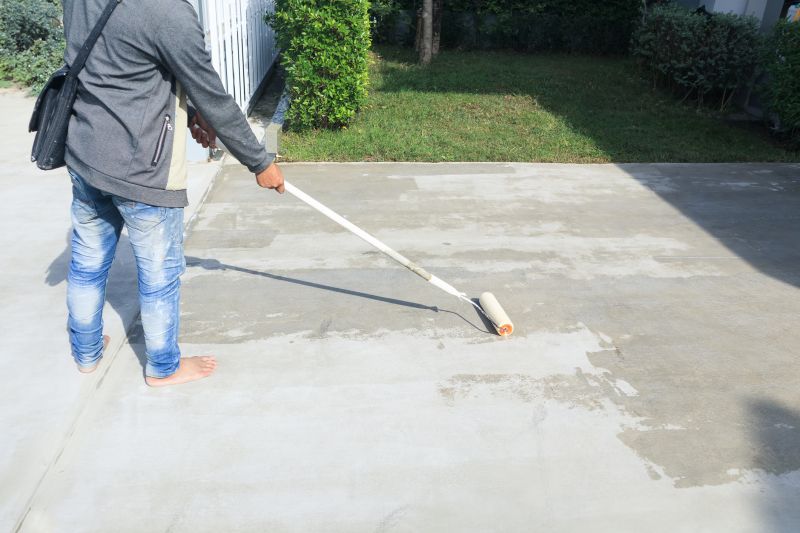 Garage floor coatings serve as a practical solution for transforming and protecting concrete surfaces in residential and commercial spaces. These coatings can enhance durability, resist stains, and improve the overall appearance of a garage floor. Available in a variety of formulations, from epoxy to polyurethane and acrylic options, these products cater to different needs and preferences. When selecting a coating, it is important to consider factors such as surface preparation, application method, drying time, and the level of chemical resistance required.
Top Overall Option
Polyurethane Garage Floor Coating
Polyurethane coatings are known for their excellent durability and chemical resistance, making them a popular choice for garage floors. They provide a smooth, high-gloss finish that can enhance the appearance of the space. When properly applied, polyurethane can offer a resilient surface that withstands heavy foot traffic, vehicle movement, and spills. These coatings typically require a clean, well-prepared surface and may involve multiple coats for optimal results. Their versatility and performance make them a strong option for those seeking a long-lasting, attractive garage floor finish.
Types of Products For Garage Floor Coatings
Epoxy Coatings
Epoxy coatings are a popular choice for garage floors due to their strong adhesion and resistance to stains and chemicals. They are available in various formulations, including solid, water-based, and solvent-based options, offering flexibility for different applications.
Polyurethane Coatings
Polyurethane coatings provide a glossy, durable finish with excellent chemical and abrasion resistance. They are often used as a topcoat over epoxy or directly on prepared concrete surfaces.
Acrylic Sealers
Acrylic sealers are easy to apply and dry quickly, offering a cost-effective way to add a protective layer and enhance the appearance of concrete floors.
Polyaspartic Coatings
Polyaspartic coatings cure rapidly and offer high durability, making them suitable for quick turnaround projects and areas requiring robust protection.
Quartz or Flake Coatings
These coatings incorporate decorative chips or flakes into the base layer, providing texture, slip resistance, and visual interest.
Urethane Coatings
Urethane coatings are known for their flexibility and chemical resistance, often used as topcoats for added protection.
Solvent-Based Coatings
These coatings typically offer high durability and adhesion but require proper ventilation during application due to solvent fumes.
Water-Based Coatings
Water-based coatings are easier to clean up and have lower VOC levels, making them a more user-friendly option.
Self-Leveling Coatings
Designed to produce a smooth, even surface, self-leveling coatings are ideal for creating a seamless finish on garage floors.
Anti-Slip Coatings
These coatings contain additives or textures to improve traction, reducing the risk of slips and falls.
Heavy-Duty Floor Paints
Specialized paints formulated for high-traffic areas, offering good adhesion and resistance to wear.
Concrete Stains
Stains penetrate the surface to add color and visual interest, often used as a decorative option.
Garage Floor Tapes and Mats
Temporary or semi-permanent solutions that can define zones or add traction without permanent coating application.
Epoxy Paints
A more affordable alternative to solid epoxy systems, providing basic protection and color options.
Polymer Floor Coatings
Composite coatings that combine different polymers for tailored performance characteristics.
Liquid Rubber Coatings
Flexible, waterproof coatings suitable for areas prone to moisture or water exposure.
Popular Choices
Complete epoxy kits with primer, base coat, and topcoat are widely used for their ease of application and variety of finishes.
Polyurethane topcoats are favored for their glossy finish and durability, often applied over epoxy layers.
A quick and simple option for adding a protective layer and enhancing appearance.
Decorative systems that combine durability with visual appeal, popular for personalized garage floors.
Ideal for creating smooth, seamless surfaces with minimal unevenness.
Known for rapid curing times and high durability, suitable for busy renovation schedules.
Designed to withstand spills of oils, fuels, and other chemicals common in garages.
Offering slip resistance, these coatings are popular for safety and aesthetic reasons.
Affordable paints that provide basic protection and color options for garage surfaces.
Used to add color and pattern, often combined with sealing for a customized look.
Flexible waterproof coatings suited for moisture-prone areas.
Heavy-duty options designed for high-traffic or industrial environments.
Temporary markings or protective layers that are easy to install and remove.
Versatile coatings that can be tailored for specific performance needs.
Simplifies cleanup and reduces VOC emissions, gaining popularity for ease of use.
Applying a garage floor coating can help seal the concrete, preventing damage from water, oil spills, and everyday wear and tear. Many coatings are designed to provide a textured finish that offers slip resistance, which is an important safety feature in garage environments. Additionally, some products come with decorative elements like color chips or flakes that can customize the look of the floor while adding extra traction.
Proper surface preparation is crucial for achieving optimal results with any coating. This typically involves cleaning the floor thoroughly, repairing cracks or imperfections, and etching or grinding the surface to ensure proper adhesion. Once prepared, the coating can be applied using brushes, rollers, or sprayers, depending on the product type. Following manufacturer instructions for curing and drying times will help ensure a durable, long-lasting finish.
In choosing the right product, homeowners and professionals should weigh factors like ease of application, maintenance requirements, and compatibility with existing flooring. It’s also helpful to consider the level of gloss or matte finish desired, as well as the potential need for additional coats or topcoats to enhance longevity. With a wide range of options available, selecting the appropriate garage floor coating can significantly improve both the functionality and aesthetics of a garage space.
Key Buying Considerations
- Assess the level of chemical and stain resistance needed based on garage usage.
- Determine the desired finish, such as matte, satin, or high-gloss, to match aesthetic preferences.
- Evaluate the surface condition of the concrete, including cracks or damages that may require repair before coating.
- Consider application methods and whether DIY or professional installation is preferred.
- Review drying and curing times to plan project timelines effectively.
- Check compatibility of the coating with existing flooring materials or previous coatings.
- Identify if slip resistance is a priority, especially in areas prone to moisture or spills.
- Factor in maintenance requirements and ease of cleaning for long-term upkeep.
- Understand the environmental conditions in the garage, such as humidity or temperature fluctuations, which can affect curing.
- Compare product formulations, such as water-based versus solvent-based, for ease of application and cleanup.
- Look for products with good coverage rates to ensure cost-effective application.
- Evaluate the level of surface preparation required and whether additional tools or materials are needed.
- Consider aesthetic options like color, texture, and decorative flakes for customization.
- Determine if additional topcoats or sealers are recommended for extended durability.
- Review customer feedback and ratings to gauge real-world performance and satisfaction.
This content contains affiliate links. We may earn a commission when you purchase through these links, which helps support our work and provides you with valuable product information.